
- Blog
- Public
- Understanding the psychological triggers behind gambling behavior
Understanding the psychological triggers behind gambling behavior
Understanding the psychological triggers behind gambling behaviorThe allure of risk and reward
The psychological appeal of gambling often stems from the thrill associated with risk-taking. Many individuals are drawn to the prospect of winning substantial rewards with minimal investment, especially when considering options like poker online. This desire for instant gratification is heightened in an environment where outcomes can shift rapidly, creating an adrenaline rush that keeps players engaged. The anticipation of a win, however fleeting, can be intoxicating, leading many to chase this high repeatedly.

This push and pull between risk and reward taps into fundamental human psychology. For some, gambling offers an escape from daily stressors or a way to cope with anxiety. This emotional connection can deepen the desire to gamble, transforming it into a habitual behavior. The exhilaration of a potential win can overshadow the financial implications, making it difficult for individuals to recognize when their gambling habits may be becoming unhealthy.
Cognitive biases and misconceptions
Cognitive biases play a significant role in shaping gambling behavior. One prevalent bias is the illusion of control, where individuals believe they can influence outcomes based on their actions or strategies. This misconception can lead players to engage in riskier bets, convinced that they have a better chance of winning. Such distorted thinking often perpetuates continued gambling, despite adverse outcomes, including patterns seen in celebrity gamblers.
The role of social influence
Social dynamics can heavily impact gambling behavior, as individuals often find themselves influenced by peers or societal norms. Observing others win can ignite a sense of FOMO (fear of missing out), leading individuals to participate even if they initially had no intention to gamble. This social pressure can normalize gambling behaviors, further embedding them in a person’s lifestyle.
Moreover, celebrity gamblers can amplify this allure. As public figures openly engage in gambling, it creates a perception of glamour and success associated with the activity. This portrayal can skew public perception, making gambling seem like an attractive venture rather than a potential risk. As a result, many are encouraged to explore gambling as a form of entertainment, often underestimating the psychological and financial repercussions.
Emotional triggers and gambling addiction
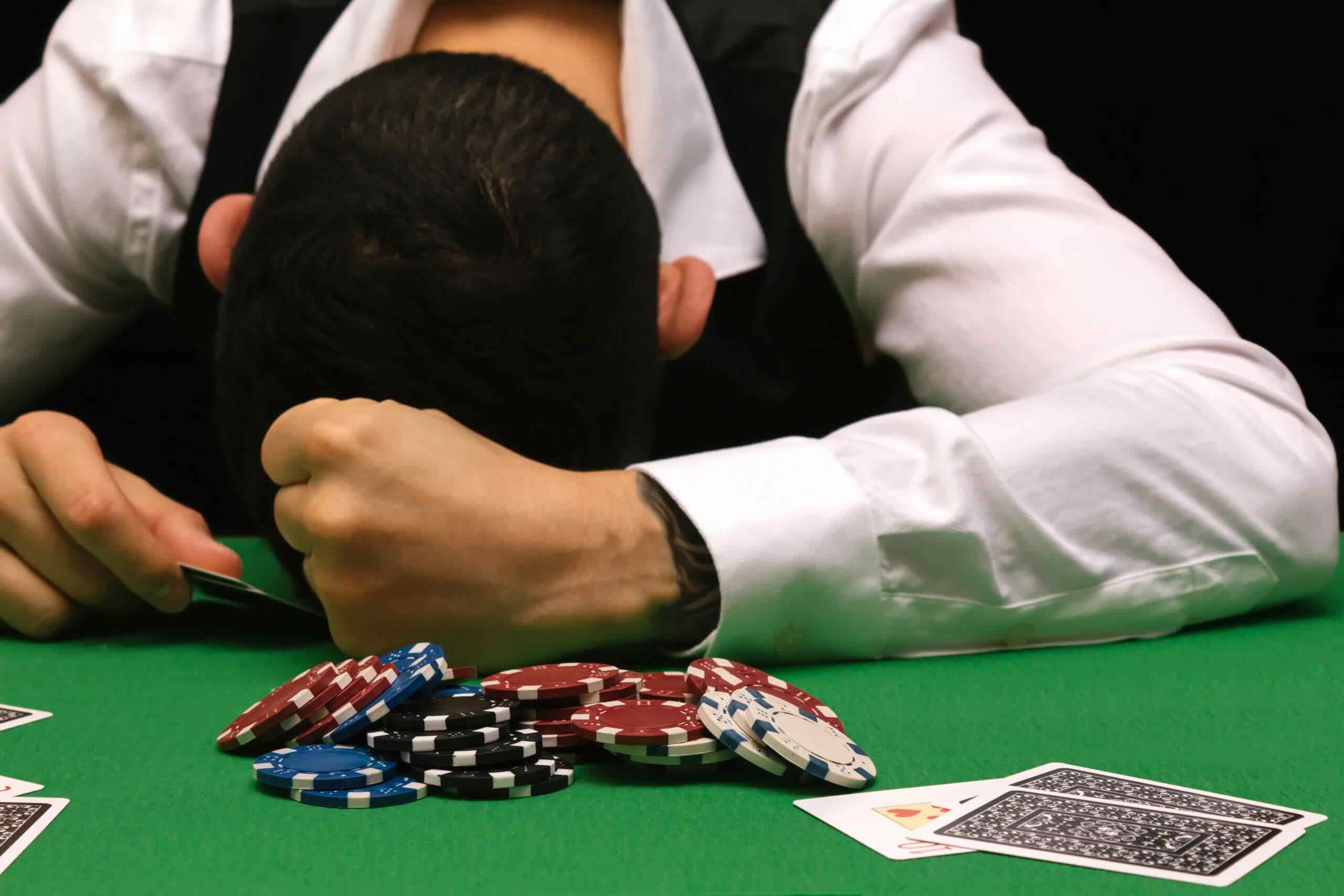
The emotional landscape surrounding gambling is complex. Many gamblers use gambling as a coping mechanism to deal with stress, depression, or loneliness. The temporary escape it offers can create a cycle where emotional distress leads to gambling, which in turn leads to greater emotional distress due to losses. This feedback loop can exacerbate gambling behaviors, often pushing individuals further into addiction.
Understanding emotional triggers is crucial for addressing gambling addiction. Therapy and support systems often focus on developing healthier coping mechanisms to replace gambling as an escape. By highlighting the emotional factors that drive gambling behavior, individuals can begin to break free from the cycle and regain control over their choices.
Creating a secure online gambling environment
As the popularity of online gambling grows, ensuring a safe and secure environment is paramount. Websites are increasingly implementing advanced security measures to protect users from potential threats. These protocols are designed to provide a safe experience, allowing individuals to engage in gambling activities with peace of mind.
For those who encounter difficulties accessing gambling platforms, communication with site owners can provide clarity and solutions. Understanding that a secure environment is prioritized can help mitigate concerns, encouraging responsible gambling practices. By fostering a safe online community, websites aim to promote a healthier relationship with gambling, allowing for enjoyment without compromising individual well-being.